
How Arrest Warrants Work in Macon County
Macon County's own warrant page puts arrest and search warrants in the hands of Magistrate Court. A magistrate, acting as a neutral judge, weighs sworn testimony against the constitutional probable-cause standard before signing anything. Officers can bring a warrant request to a magistrate at any hour. Citizens follow a different route during normal business hours, starting with a police report and a written sworn request. Once the warrant issues, it goes to the sheriff for execution. The case is then referred on to the District Attorney.
The Macon County Sworn-Request Path
Macon County lays out the private-citizen path in unusual detail. A complainant files a police report first. A written, sworn request follows. The county then holds a weekly pre-warrant hearing, and where no emergency exists, the person named can get notice and a chance to appear.
- A report records the alleged event.
- The requestor supplies sworn facts through the official channel.
- The court schedules or considers the request under its procedure.
- The magistrate can issue, decline, or otherwise dispose of it.
- An issued warrant goes to the sheriff for execution.
The process should never be described as automatic merely because a complaint was filed.
Arrest Warrants: What They Contain
A warrant record may list the issuing court, the warrant type, its issue date, the alleged charge, the executing agency, and instructions from the court. Sworn testimony or an affidavit may sit behind it, and access to that material can differ from access to the warrant itself. Macon County publishes no filled-in public sample. So there is no proof every field is available in every record.
| Record identifier | A case or warrant number such as COURT NUMBER, if released. |
|---|---|
| Issuing court | The judicial office that found probable cause. |
| Alleged basis | The offense or facts stated in official process. |
| Execution status | Current service information from law enforcement. |
| Bond direction | A case-specific amount or condition, if the court sets one. |
Macon County Identity Details Stay Protected
Macon County's warrant-application instructions ask for a name, address, Social Security number, birth date, and other details so officers can identify a person for GCIC entry. Those are internal submission details. They are not public search fields, and they are not a reason to collect sensitive identifiers on an open website. Ask the court or the law-enforcement office how identity data should be submitted securely. A routine public inquiry starts smaller: a full legal name and a date of birth. Keep sensitive numbers off public channels. And never treat a name-only match as proof that a record belongs to a specific person.
How Warrants Get Served in Macon County
Warrant execution in Macon County belongs first to the Sheriff's Office, which lists Court Services, Detention, and warrant execution among its duties. A municipal, state, or federal agency with jurisdiction can also serve process. What follows depends on the warrant and the case. Service can mean detention, booking, a first appearance, and a bond decision. Keep the two roles separate in your mind. The sheriff handles execution and custody, while the issuing court controls the underlying order. Calling a clerk or showing up at an unrelated office changes nothing by itself. Paying a fee does not automatically lift an arrest warrant either. Only the court can recall or quash its own order.
Macon County Bond Is Case Specific
Macon County treats bond as a way to assure appearance, not as punishment. A magistrate weighs the facts, the person's history, and the circumstances of the case. Bond can be refused outright when no amount would protect appearance or community safety. The county publishes no universal bond chart and no set warrant fee, so each case turns on its own terms.
Ask the official office: Is bond available, what amount and conditions apply, and where can it be posted?
Also ask when first appearance will occur and which court will hear the matter.
Do not rely on a quoted amount from an unofficial service.
How Macon County Records Are Divided
Records here split along court lines. Magistrate Court issues most local arrest warrants and answers at 478-472-8509. For an existing warrant, the Sheriff's Office line is 478-472-6447. Superior Court criminal records run through the Superior Clerk at 478-472-7661. City and federal matters sit with their own courts and agencies. The official Georgia DDS release page explains how court action can trigger a later license release when a failure-to-appear hold is resolved.
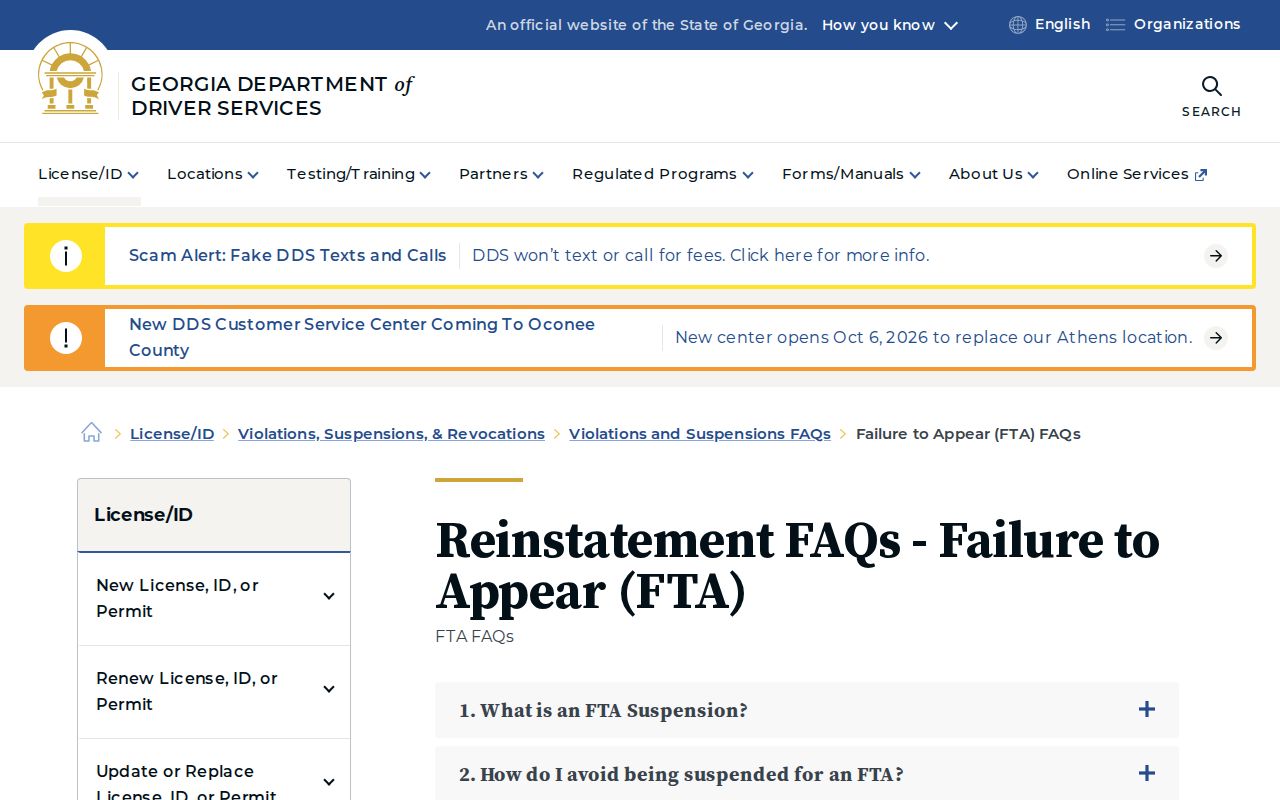
Any release tied to a Macon County case flows from court action, so get it confirmed in writing.
Arrest Warrants, Summonses, and Bench Warrants
These papers call for different responses. An arrest warrant authorizes custody once a judge finds probable cause. A summons orders an appearance without directing an arrest. In Macon County as elsewhere, a bench warrant typically follows a failure to appear or comply in a case already open.
| Process | Starting point | Required response |
|---|---|---|
| Arrest warrant | Sworn facts and probable cause | Attorney, surrender, arrest, and court process |
| Summons | Court command to appear | Appear as directed |
| Bench warrant | Missed date or noncompliance | Contact issuing court about recall or appearance |
The precise label and status should come from the Macon County court record.
Macon County Open-Records Boundaries
The Georgia Open Records Act backs access to existing public records, subject to exemptions and redaction. Not every document is treated alike. A warrant, an initial report, a sworn application, a probable-cause affidavit, execution notes, and a pending investigative file each carry different rules. Pending investigative material and protected identity data may be withheld. Make any request focused. Name the office, the record type, the date range, and any known case number. Do not ask an agency to build a new list it does not keep. For your own warrant status in Macon County, a direct word with the sheriff or the court beats a demand for a full investigative file.
Handling an Arrest Warrant in Your Name
Call the sheriff or the issuing court to confirm jurisdiction and procedure, but note the caution in Georgia guidance: walking in to ask can end in immediate custody. A lawyer can speak for you, lay out surrender options, and raise bond or first appearance with the judge. No official source promises that payment alone clears a Macon County arrest warrant.
Use a court-directed plan: confirm the warrant, case number, court, and present status.
Ask whether voluntary surrender, an attorney filing, bond, appearance, or another order is required.
Keep the written disposition or release and confirm that agency records reflect it.
Once a surrender or arrest happens in Macon County, get the basics fast. Ask where the person is held, which court handles first appearance, and whether bond has been set. Also ask when counsel can review the charging material. Family members should stick to official detention and court contacts rather than a social-media post or a copied booking entry, since those details change quickly and often carry errors.
If the court later recalls, quashes, or disposes of the warrant, get written proof of that Macon County order. Ask whether the sheriff has received it and whether a hearing or release condition still stands. Court records and law-enforcement records can update at different speeds, so check both before assuming the matter is closed.
Macon County and Federal Warrant Boundaries
Getting an initial report released is only the first step. The probable-cause affidavit and investigative notes may stay closed even when the report is public. A docket can name a case while sealing the warrant process behind it. Ask the responsible office why anything is withheld, since it must release the parts that are not exempt. Federal warrants move through a different system entirely. Macon County sits in the Middle District of Georgia, Macon Division, so federal docket information runs through PACER or the federal clerk at 478-752-3497. A sealed federal warrant may never show there. And no county sheriff result clears a federal matter, just as no federal office can undo a county order.